What is a belt-positioning booster seat?
How to Choose a Belt-Positioning Booster Seat
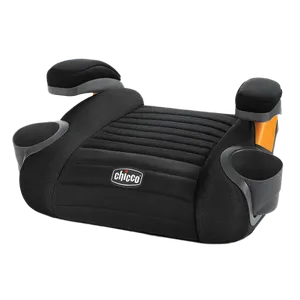
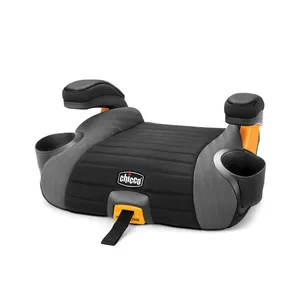
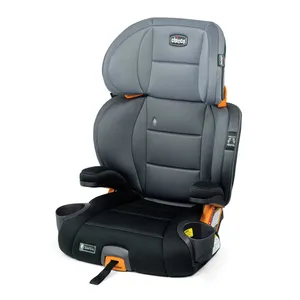
When choosing a booster seat, it's important to know there are two types of belt-positioning boosters: high-back and backless. High-back boosters feature a multi-position, easy-adjust headrest and rigid seat belt guides, while backless boosters are lightweight and portable. Both belt-positioning booster seats are designed to raise the child so the vehicle’s seat belt fits properly, low across the hips and across the middle of the chest and shoulder. This positioning helps distribute crash forces and reduce injury risk. Booster seats are intended for children at least 4 years old, 38" tall, and 40 lbs, and they provide a critical transition from a harness car seat to using the vehicle’s seat belt. Children should continue using a booster until the seat belt fits correctly without it. Some states also have specific height and weight laws for booster use, so be sure to check your local requirements.
Checklist for Choosing a Belt-Positioning Booster

Choose between the head and shoulder protection of a high-back booster or the lightweight portability of a backless booster seat.
If you decide on a high-back belt-positioning booster up front, you can remove the backrest later to create a backless belt-positioning booster.

Belt-positioning boosters from Chicco do not have a harness option, so make sure your big kid is at least 4 years old and mature enough to buckle in using the seat belt.
Belt-Positioning Booster Seats - Frequently Asked Questions
Explore Chicco Car Seats by Age
Infant
Car Seats
NEWBORN to TODDLER
Harness + Booster
Car Seats
TODDLER to BIG KID
Belt-Positioning
Boosters
BIG KID to YOUTH